Keno Number Selection from a Probability Perspective
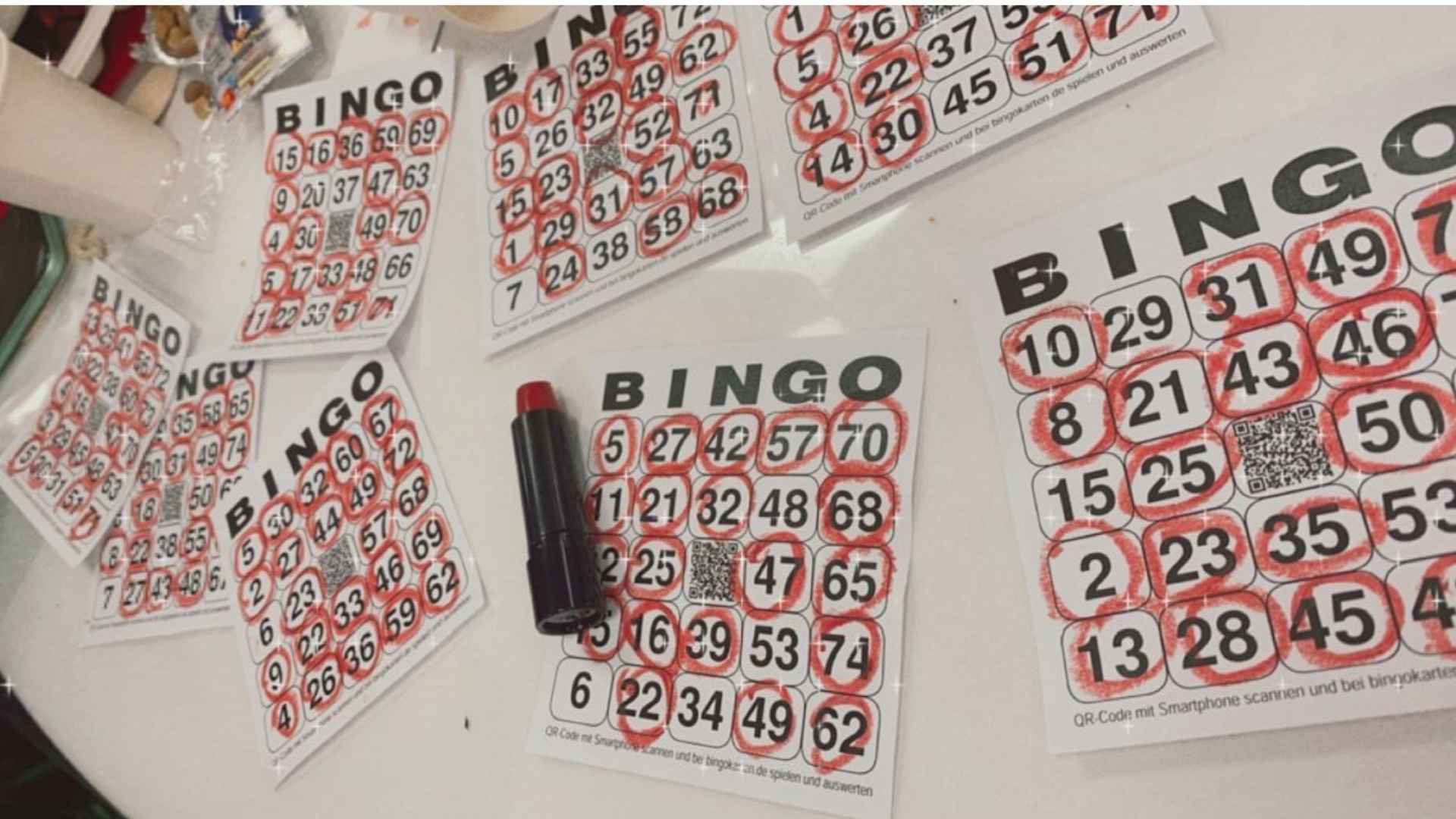
Keno is a classic game of chance that has captivated players for generations due to its simplicity and potential for significant rewards. While many individuals rely on personal lucky numbers or sentimental dates, exploring number selection from a mathematical standpoint reveals a fascinating layer of strategy. Understanding how probability theory governs each draw can completely reshape your approach to this enduring casino favorite.
The Core Mechanics of Keno Math
In a standard game of Keno, twenty numbers are randomly drawn from a total pool of eighty possibilities. The mathematical probability of any individual number being selected remains identical in every single round, completely independent of past results. This foundational rule means that mechanical draws are completely random and carry no memory of prior winning combinations.
When players choose their spots, they are participating in a system heavily influenced by combinatorial mathematics. The likelihood of matching all of your chosen numbers drops significantly with each additional selection you make on your card. For a secure and reliable platform to test your gaming insights, completing your M88 Msports Login offers access to various balanced gaming options.
The Hypergeometric Distribution Explained
The true mathematical framework behind Keno calculations is known as the hypergeometric distribution, which determines the probability of specific outcomes without replacement. This statistical formula helps calculate the exact odds of hitting a precise number of catches based on how many spots you choose. It reveals why matching a middle-tier amount of numbers is statistically much more frequent than hitting extreme outcomes.
For instance, if you decide to choose ten numbers, the probability of matching exactly five is significantly higher than matching all ten or none at all. Statistical analysis consistently shows that the mathematical expectation settles near the middle of your selection range. Recognizing these numerical curves allows enthusiast to manage their expectations using realistic mathematical data rather than guesswork.
Evaluating the Optimal Number of Spots
From a strict probability perspective, choosing between four and eight spots often yields the most balanced paytable efficiency for casual players. Games that require matching too many numbers carry massive house edges because the probability of hitting a perfect card is astronomically low. Conversely, selecting too few numbers offers very low payout multipliers that might not justify the risk over time.
Every specific Keno paytable varies by jurisdiction and gaming platform, meaning the expected value must be calculated individually. Smart players always review the provided return-to-player percentages before committing to a specific number selection method. By aligning your spot count with the optimal probability thresholds, you can enjoy a highly structured and measured gaming experience.