Exploring Risk and Reward Through Games
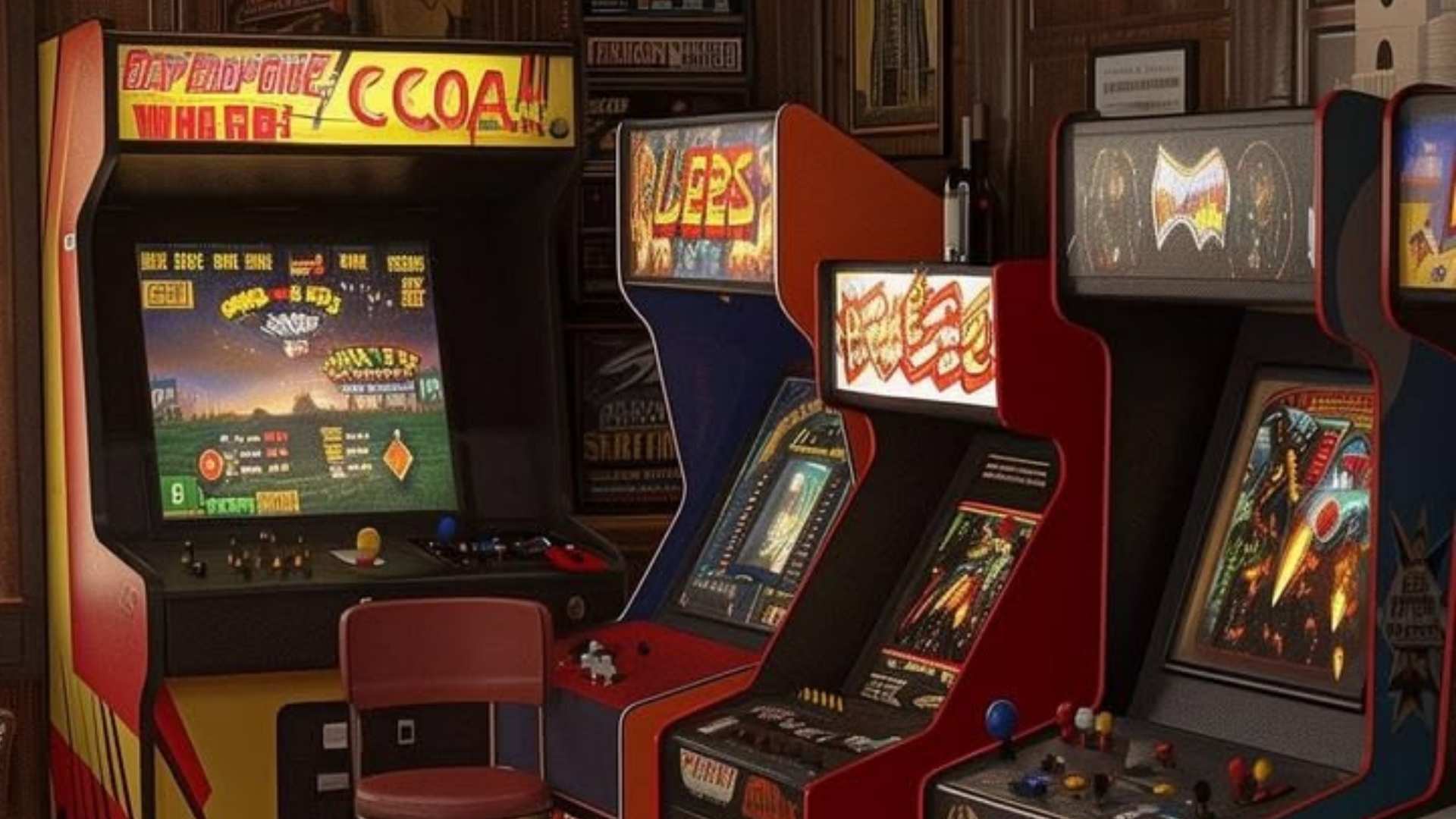
Games have long served as a captivating mirror for human decision-making, offering a structured environment where players can test their boundaries. At the heart of almost every engaging gameplay loop sits the delicate calculation of risk versus reward. By confronting players with uncertain outcomes, modern game designs teach us how to evaluate choices and handle consequences in real time.
The Psychology of In-Game Decision Making
When players encounter a challenge, their brains immediately begin assessing the potential gains against the likelihood of failure. This mental evaluation is what makes strategic pastimes so engaging across different age groups. Over time, navigating these digital scenarios can help individuals build better cognitive flexibility and resilience.
Many complex games require players to sacrifice current resources with the expectation of achieving a greater advantage later. This dynamic simulates real-world financial planning and strategic thinking without real-world liabilities. As a result, interactive entertainment becomes a safe training ground for critical everyday skills.
Balancing Randomness and Strategic Control
A major component of the risk-reward matrix is the interplay between pure randomness and player agency. Games that rely entirely on a coin toss offer low strategic depth, while those incorporating hidden information demand constant adaptation. Striking the right balance keeps the experience challenging rather than frustrating.
Experienced players often look for recurring patterns or statistical probabilities to tip the scales in their favor. To understand how automated systems calculate these fair odds, checking a dedicated platform like M88 Msports Login can provide useful insights into sports-centric mechanics. Learning how these variables function allows enthusiasts to approach complex challenges with higher confidence.
How Risk Assessment Translates to Real Life
The lessons learned from managing virtual assets frequently carry over into practical, everyday environments. For instance, understanding when to hold back and when to commit fully is crucial in both competitive gaming and career progression. Gamers naturally develop a more calculated approach to uncertainty and risk management.
Furthermore, facing inevitable losses in a gameplay setting builds emotional stability and adaptive thinking. Instead of viewing failure as a permanent setback, players learn to analyze their mistakes and adjust their future strategies. This constructive mindset shift is one of the greatest educational benefits of interactive play.
The Evolution of Modern Reward Structures
As the gaming industry matures, developers continue to innovate how achievements and progression systems are structured. Modern titles frequently implement dynamic difficulty scaling to ensure that rewards match the player's actual skill level. This keeps the engagement loop highly satisfying for both beginners and veterans.
Ultimately, the timeless appeal of these activities lies in their ability to make uncertainty thrilling and educational. By continuously exploring the boundaries of risk and reward, players sharpen their minds while enjoying the process. The world of tactical gaming remains a powerful tool for personal growth and cognitive development.